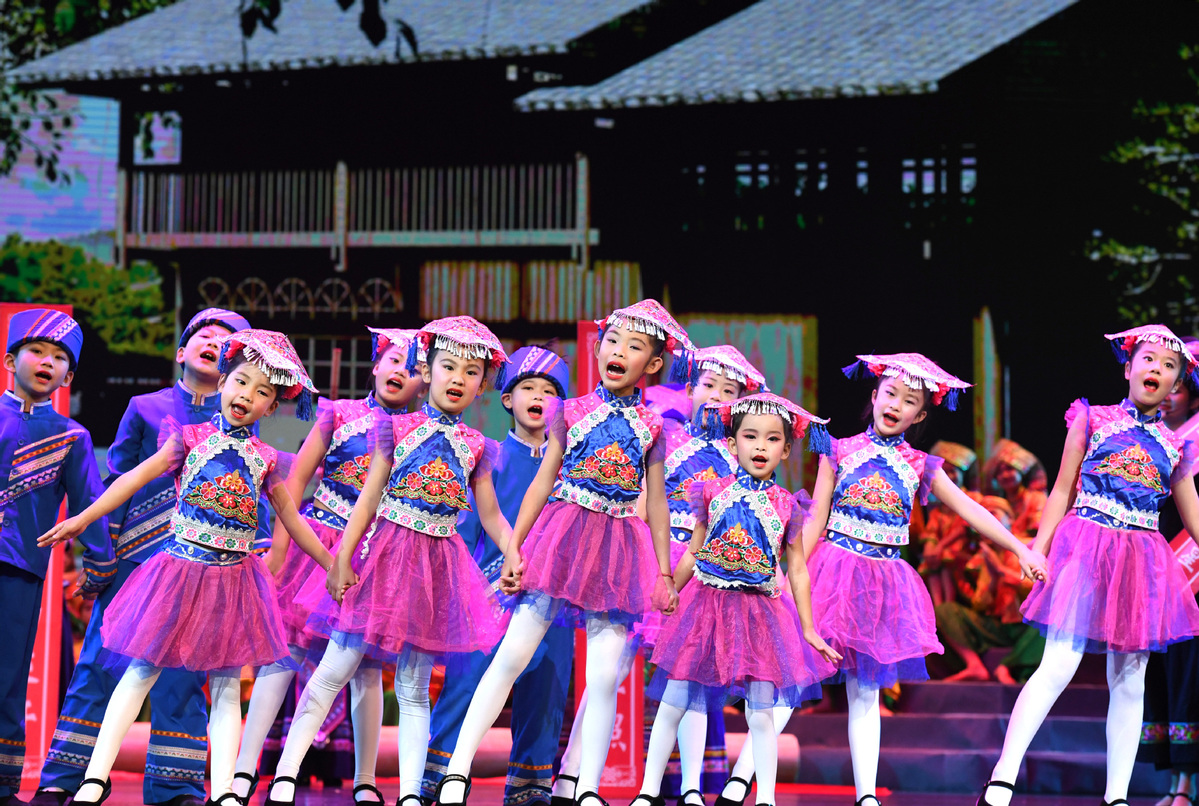
Zhuang Dance
Introduction
Zhuang dance is an integral part of the cultural heritage of the Zhuang ethnic group. Predominantly residing in the Guangxi Zhuang autonomous region, the Zhuang people have a rich cultural history deeply influenced by their agricultural lifestyle and unique regional environment.
Zhuang dance embodies the traditions, values, and artistry of this group, serving as a vibrant expression of their communal identity and spirituality. Its origins trace back thousands of years, with influences from animistic practices, folk rituals, and historical events.
Historical Background
The history of Zhuang dance is closely linked to the Zhuang people's agrarian way of life. Early forms of dance were often performed as part of rituals to honor ancestors, celebrate harvests, or invoke blessings from natural spirits. These dances evolved over centuries, incorporating elements from neighboring cultures and reflecting the historical interactions between the Zhuang people and other ethnic groups in southern China.
During the Tang (618-907) and Song (960-1279) dynasties, Zhuang dance gained prominence in local celebrations and ceremonies. The dances were preserved and adapted over time, with some traditional forms surviving even in modern performances. In recent decades, efforts by local governments and cultural organizations in the Guangxi Zhuang autonomous region have revitalized and promoted Zhuang dance, ensuring its preservation as a symbol of cultural pride.
Features and Styles
Zhuang dance is characterized by its dynamic movements, vibrant costumes, and rich symbolism. The dances often involve group formations, intricate footwork, and synchronized gestures that reflect the harmony of community life. Key features include the following:
Rhythmic Movements: Many Zhuang dances are performed to the accompaniment of traditional instruments like the bronze drum, a cultural icon of the Zhuang people. The drumbeat sets a lively rhythm, guiding the dancers through energetic sequences.
Symbolic Gestures: Gestures in Zhuang dance often mimic daily activities, such as farming, fishing, or weaving, as well as natural phenomena like flowing rivers and blooming flowers. These symbolic movements celebrate the connection between humanity and nature.
Costumes and Accessories: Dancers wear traditional Zhuang attire, featuring vibrant patterns and intricate embroidery. Silver ornaments, headpieces, and sashes enhance the visual appeal and carry cultural significance, representing prosperity and good fortune.
Modern Revival and Cultural Significance
In contemporary times, Zhuang dance has experienced a resurgence, with increased support for its preservation and promotion. The Guangxi Zhuang autonomous region regularly hosts cultural festivals and competitions that showcase Zhuang dance, drawing both domestic and international attention. These events not only preserve traditional forms but also encourage innovation by integrating modern elements and choreographic techniques.
Zhuang dance is more than just a performance art; it is a living testament to the resilience and creativity of the Zhuang people. By celebrating their heritage through dance, the Zhuang ethnic group continues to strengthen its cultural identity and share its vibrant traditions with the world.








